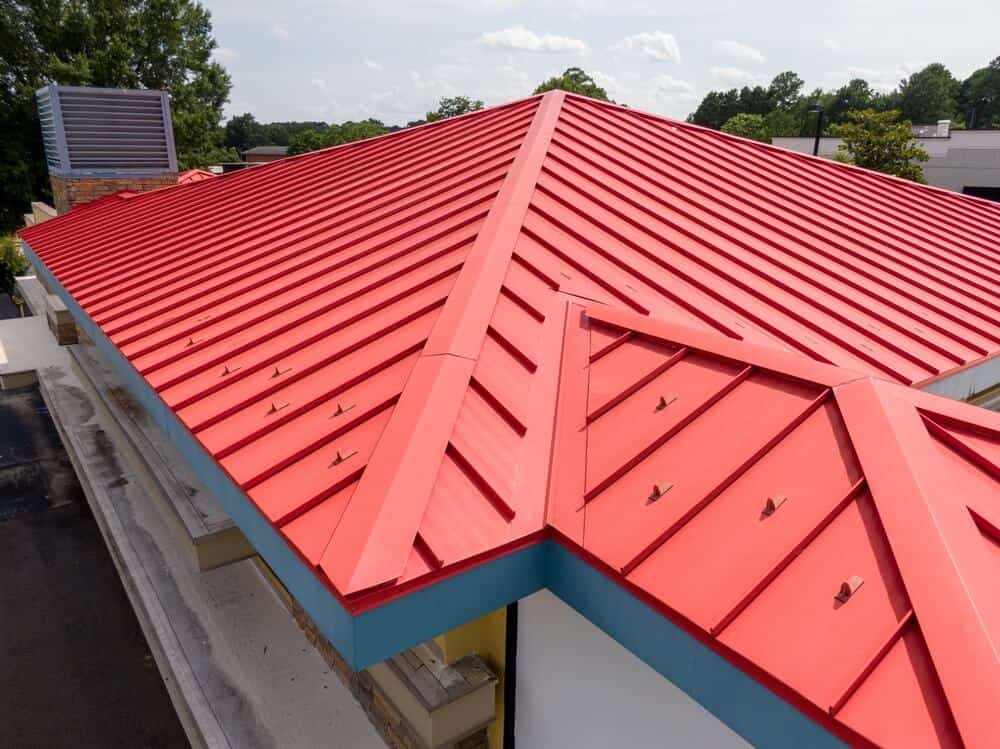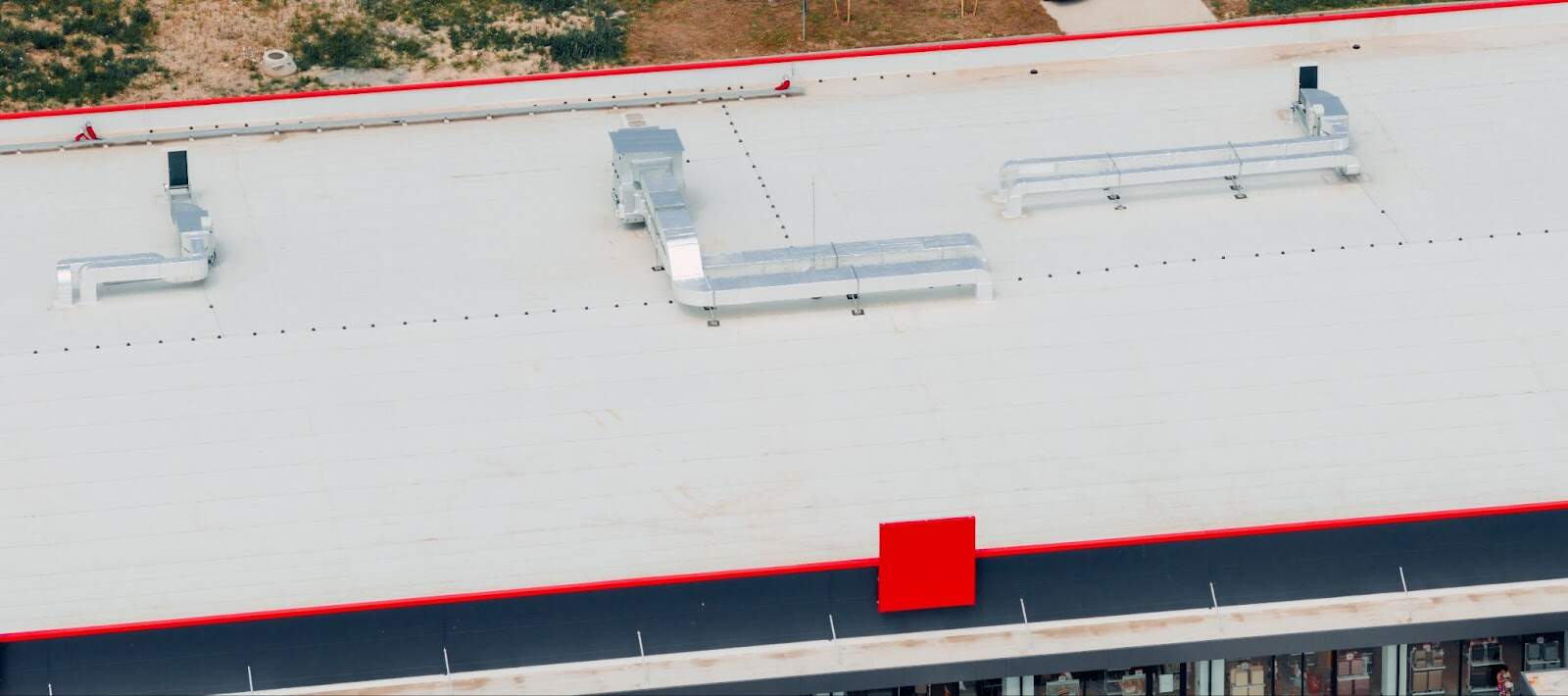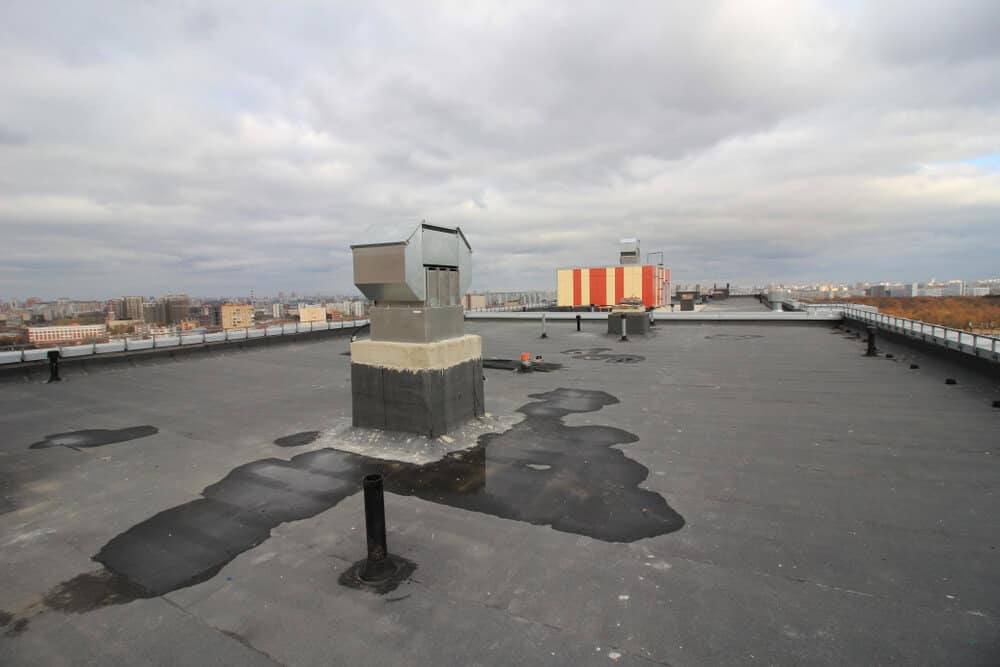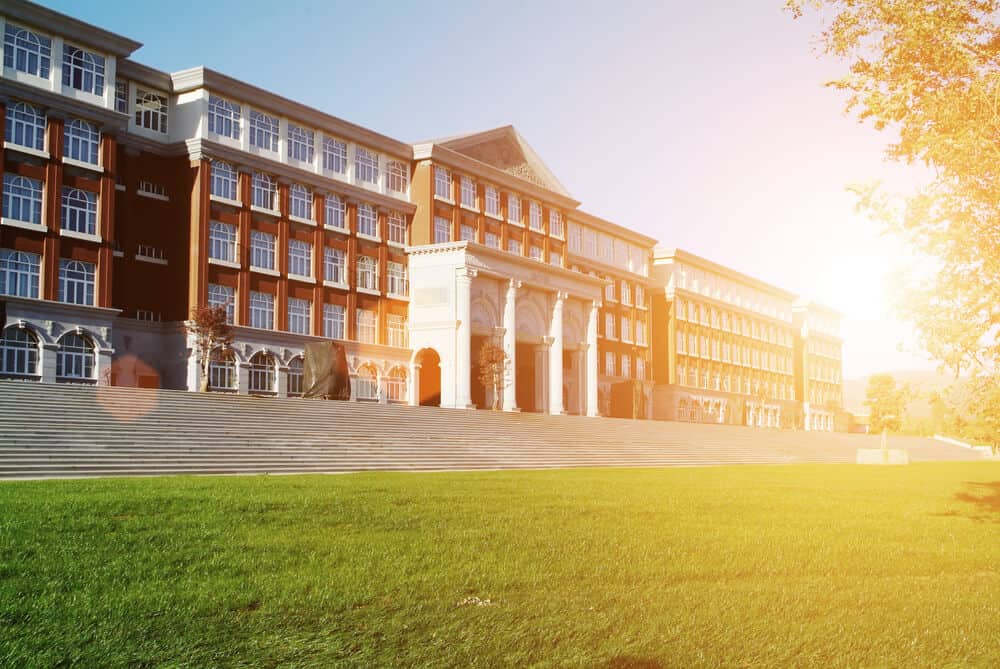

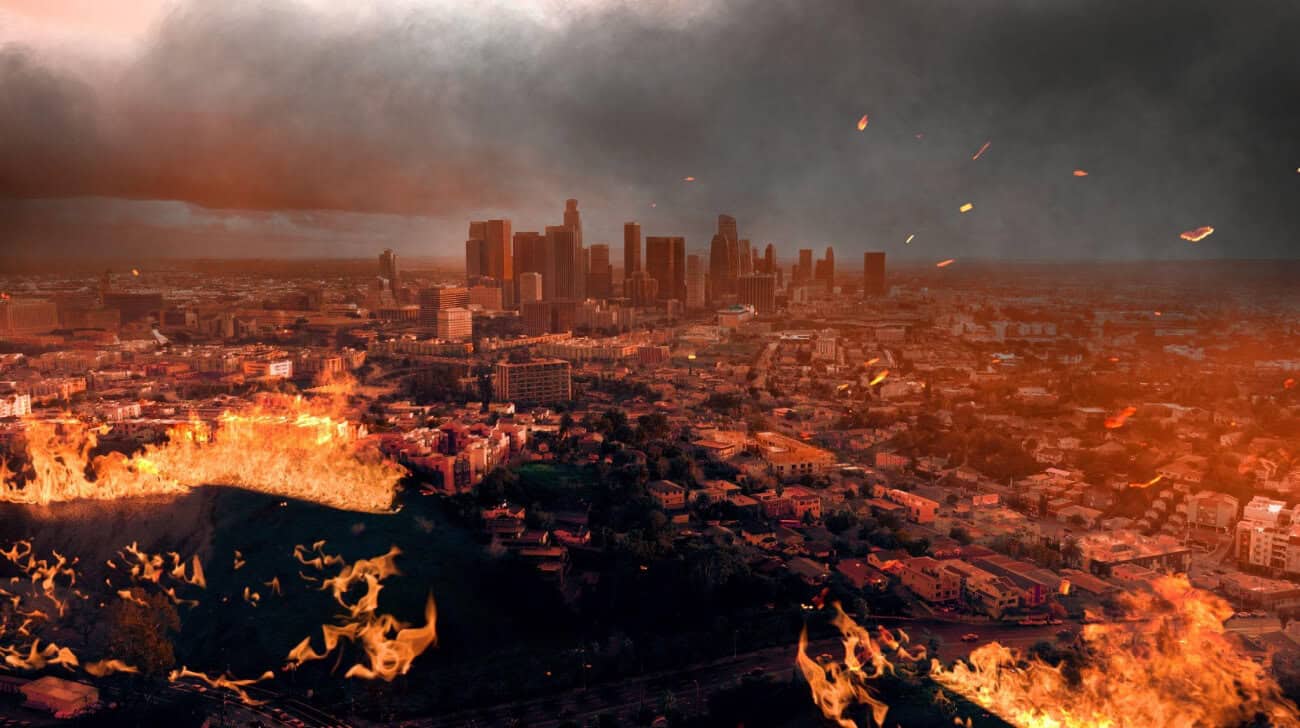
Wildfires don’t need to reach a building to cause damage. In many cases, they don’t even get close, yet still cause scary, expensive damage. For commercial properties across California, the real problems often start with heat, smoke, and embers traveling ahead of the fire line for miles.
That’s where most roofing issues during California wildfires actually come from. In wildfire-prone areas, the roof is usually the first system tested—and sometimes the first to fail.
Table of Contents
- How Wildfires Stress Commercial Roofs
- Why Roofing Materials Matter More Than Ever
- Fire Resistance Isn’t Just a Label
- Where Roofing Issues Usually Begin During Wildfires
- Roof Covering Choices and Fire Behavior
- Fire Retardant Treatments: Helpful, Not Permanent
- The Often-Ignored Role of the Roof Deck
- Maintenance Is the Quiet Wildfire Defense
- Planning for Wildfire Conditions, Not Just Repairs
- Protecting Your Commercial Roof Before the Next Wildfire
How Wildfires Stress Commercial Roofs
During a wildfire, roofs are constantly exposed to radiant heat, airborne debris, and ash that settles into seams, corners, and rooftop details. Even when flames aren’t visible, that heat builds for hours or even days. Commercial roofs don’t burn the way people expect. Instead of catching fire outright, materials weaken, sealants soften, coatings degrade, and small gaps open at seams and transition points, creating pathways for heat, embers, and smoke to enter the roof assembly.
Over time, that exposure increases overall wildfire risk, especially on large roof surfaces with drains, curbs, and equipment penetrations, such as vents, HVAC supports, and piping that pass through the roof. This is why wildfire damage doesn’t always look dramatic at first. The roof surface may appear intact, even though critical components below have been compromised.
Why Roofing Materials Matter More Than Ever
Not all roofing materials respond the same way under wildfire conditions. Some resist heat well but struggle with embers. Others hold up to flame but break down when exposed to prolonged temperature swings.
Modern commercial roofing materials are designed with fire resistance in mind, but performance depends heavily on how the system is built. The roof covering, insulation, attachment method, and roof deck type all play a role. If one component underperforms, the entire assembly is at risk.
In wildfire-prone areas, material selection isn’t just about durability anymore. It’s about predictable behavior under stress.
Fire Resistance Isn’t Just a Label
The term “fire-resistant” gets used loosely, but it has a specific meaning in roofing. Fire resistance describes how a roof assembly performs when exposed to external fire sources, including embers and radiant heat.
A roof’s fire rating – such as a Class A roof – indicates the highest level of protection against flame spread and penetration. But that rating only applies when the entire system is installed as tested. Substitutions, shortcuts, or aging components can quietly lower performance over time.
Where Roofing Issues Usually Begin During Wildfires
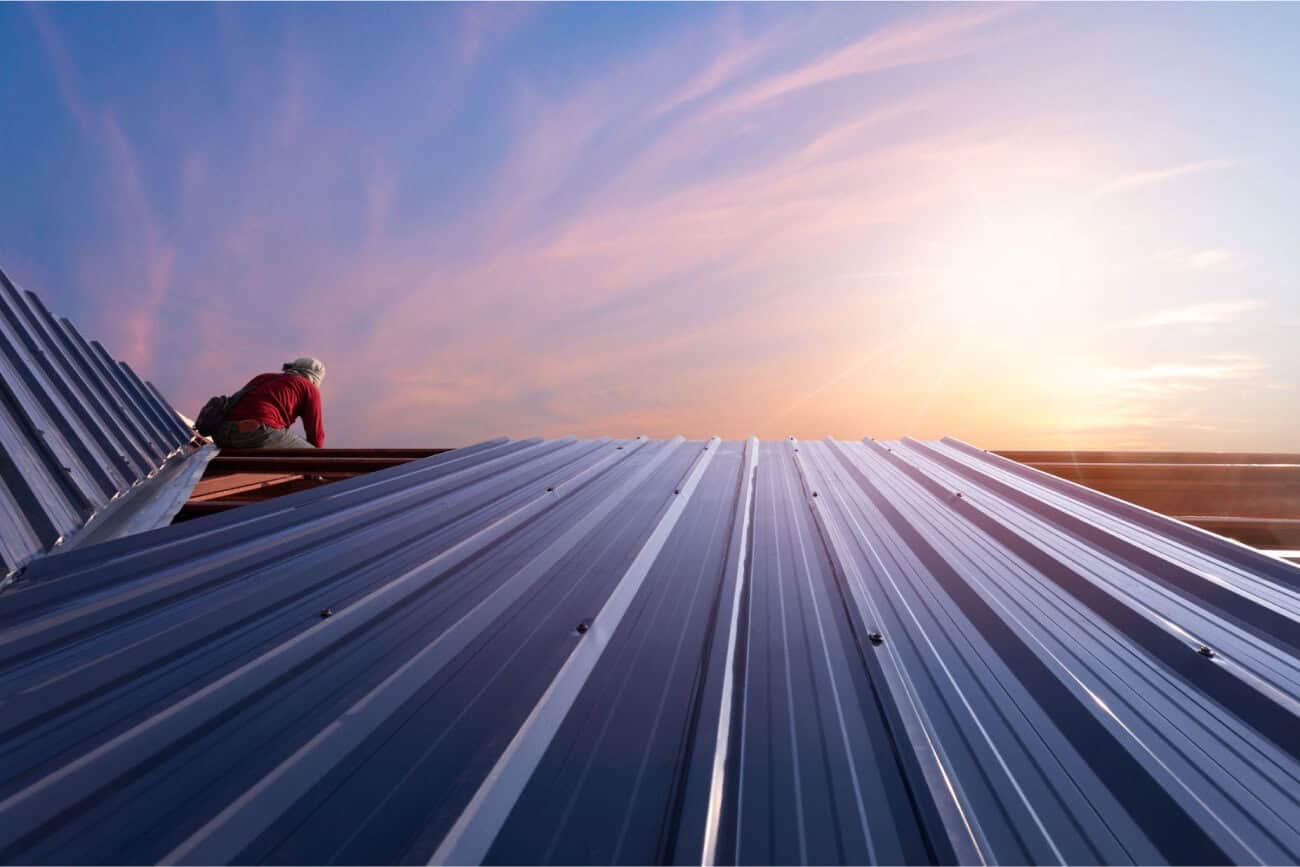
Most wildfire-related roof failures start small. A seam begins to pull apart. A flashing shows signs of age. Debris collects near a drain. Once those weaknesses exist, wildfire risk increases, even if the roof still looks fine from the ground.
Common problems include:
- Loss of fire-retardant properties in older coatings
- Heat-related stress on the roof membrane
- Compromised edge metal allowing embers in
- Degradation around rooftop equipment
Roof Covering Choices and Fire Behavior
The roof covering is the system’s first line of defense. Many commercial buildings rely on membrane-based systems that qualify as fire-resistant roofing materials when installed correctly.
That doesn’t mean the roof is isolated from its surroundings. During large wildfire events, heat, embers, and airborne debris can still threaten commercial properties, even when the roof system itself meets fire-resistance standards. The surrounding environment matters, not just the building itself.
Fire Retardant Treatments: Helpful, Not Permanent
Some roofing systems include fire-retardant treatments intended to slow ignition or flame spread. These can help, but they don’t last forever. UV exposure, weathering, and rooftop traffic break them down gradually and reduce their effectiveness.
Fire retardant products work best as part of a larger strategy that includes proper material selection, maintenance, and inspection. They support fire resistance, but they don’t replace it.
The Often-Ignored Role of the Roof Deck
The roof deck sits below everything, yet it’s one of the most important elements during a wildfire. If heat transfers through the assembly and compromises the deck, the building becomes far more vulnerable.
In wildfire-prone areas, the roof deck must support the system’s fire rating and maintain integrity under prolonged heat exposure. Even the best roof covering can fail if the deck beneath it breaks down.
Maintenance Is the Quiet Wildfire Defense
Many of the worst wildfire-related roofing issues aren’t caused by the fire itself. They’re caused by deferred maintenance. Debris left on the roof, aging sealants, clogged drains, and neglected flashings all increase wildfire risk.
Routine inspections catch these problems early, before extreme conditions expose them. Maintenance doesn’t eliminate wildfire threats, but it reduces the risk that a minor issue will escalate into a major failure.
Planning for Wildfire Conditions, Not Just Repairs
For properties located in wildfire-prone areas, planning ahead matters. That might mean upgrading older roofing materials, improving edge details, or replacing assemblies that no longer meet current fire resistance standards.
It’s important to remember that no roof is fireproof. But well-designed systems using proven fire-resistant materials perform far better under stress – and recover more easily afterward.
Protecting Your Commercial Roof Before the Next Wildfire
With 36 years of experience and a reputation as a trusted contractor for national real estate firms and industry leaders, AAA Roofing provides dependable service in replacements, repairs, maintenance, and inspections. Our team helps commercial property owners address roofing issues tied to wildfire exposure before they become costly disruptions.
If your building is located in a wildfire risk zone or you want to understand how your roof would perform under extreme conditions, contact us to schedule a commercial roof evaluation.